Barge Foundation Hosts Successful National Symposium on Effective Grantmaking
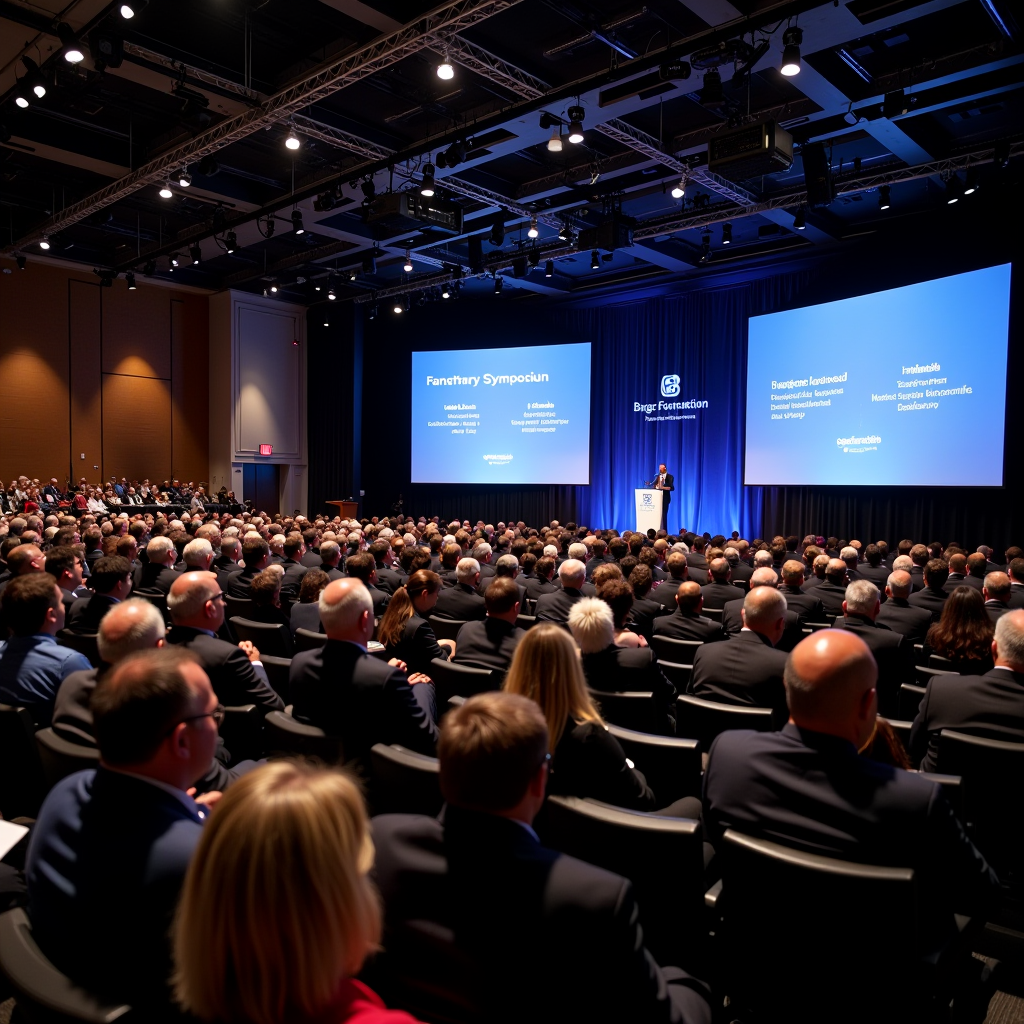
The Barge Foundation's biennial National Symposium on Effective Grantmaking concluded this week in Chicago, marking a significant milestone in the philanthropic community's ongoing efforts to enhance grantmaking effectiveness and build stronger partnerships with nonprofit organizations. The three-day event brought together a diverse group of 150 participants, including foundation leaders, nonprofit executives, and philanthropy experts, all united by a common goal: to advance the practice of strategic, equitable, and impactful grantmaking.
The symposium represented a crucial gathering at a time when the philanthropic sector faces increasing pressure to demonstrate measurable impact, streamline processes, and center community voices in funding decisions. Participants praised the event for its practical focus, meaningful networking opportunities, and forward-thinking approach to addressing contemporary challenges in grantmaking.
Comprehensive Workshop Programming
The symposium featured an extensive array of workshops designed to address the most pressing issues facing grantmakers today. Each session was carefully crafted to provide both theoretical frameworks and practical tools that participants could immediately implement in their own organizations.
One of the most well-attended workshop tracks focused on measuring social impact, a topic that continues to challenge even the most experienced foundations. Led by experts in evaluation methodology, these sessions explored innovative approaches to assessing both short-term outputs and long-term outcomes. Participants engaged in hands-on exercises using real-world case studies, learning how to develop logic models, establish meaningful metrics, and communicate impact to stakeholders. The workshops emphasized the importance of balancing quantitative data with qualitative insights, recognizing that the most significant social changes often resist simple numerical measurement.
Another critical workshop series addressed the perennial challenge of streamlining application processes. Many nonprofit leaders have long voiced frustration with overly complex, time-consuming grant applications that divert resources from mission-critical work. Workshop facilitators shared best practices from foundations that have successfully simplified their processes without sacrificing due diligence. Participants examined sample applications, discussed common pitfalls, and explored how technology can reduce administrative burden for both grantmakers and grant seekers. The sessions sparked important conversations about trust-based philanthropy and the need to respect the expertise and time of nonprofit partners.
Building equitable partnerships with grantees emerged as a central theme throughout the symposium. Workshops on this topic challenged participants to examine power dynamics inherent in the funder-grantee relationship and explore strategies for creating more balanced, respectful partnerships. Facilitators emphasized the importance of listening to community voices, providing flexible funding, and supporting organizational capacity building alongside programmatic grants. Nonprofit executives who participated in these sessions shared their perspectives on what makes for effective partnerships, offering valuable insights that resonated deeply with foundation representatives.
The symposium also featured forward-looking workshops on leveraging technology in philanthropy. These sessions explored how artificial intelligence, data analytics, and digital platforms are transforming grantmaking practices. Participants learned about tools for prospect research, grant management systems, and online collaboration platforms that can enhance efficiency and transparency. Importantly, these workshops also addressed the ethical considerations and potential pitfalls of technology adoption, ensuring that innovation serves rather than supplants human judgment and relationship-building.
Distinguished Keynote Speakers and Thought Leadership
The symposium's keynote presentations provided intellectual anchors for the event, offering big-picture perspectives on the evolution of philanthropy and the challenges ahead. Renowned philanthropic advisors and leaders from major foundations shared insights drawn from decades of experience and cutting-edge research.
The opening keynote addressed adaptive grantmaking strategies, exploring how foundations can remain responsive to rapidly changing social conditions while maintaining strategic focus. The speaker drew on examples from recent crises, including the COVID-19 pandemic and natural disasters, to illustrate how flexible, trust-based approaches enabled nonprofits to pivot quickly and serve communities effectively. This presentation set the tone for the entire symposium, emphasizing that effective grantmaking requires both strategic planning and the humility to adapt when circumstances demand it.
Another keynote focused specifically on community-centered approaches to philanthropy, challenging foundations to move beyond traditional top-down models. The speaker, a leader from a major foundation known for its innovative practices, shared compelling stories of how centering community voices in decision-making led to more effective and sustainable outcomes. This presentation sparked important discussions about participatory grantmaking, community advisory boards, and the role of lived experience in shaping funding priorities. Many participants noted that this keynote fundamentally shifted their thinking about power and partnership in philanthropy.
The closing keynote brought together themes from throughout the symposium, offering a vision for the future of grantmaking that balances innovation with timeless principles of generosity, accountability, and respect. The speaker challenged participants to think boldly about their role in addressing systemic inequities while remaining grounded in the practical realities of organizational capacity and resource constraints. This inspiring conclusion left attendees energized and committed to implementing what they had learned.
Fostering Meaningful Connections and Collaboration
Beyond the formal programming, the symposium created numerous opportunities for participants to connect, share experiences, and build relationships that will extend far beyond the three-day event. Structured networking sessions, informal gatherings, and collaborative problem-solving exercises all contributed to a sense of community among attendees.
Many participants highlighted the value of peer learning, noting that some of their most valuable insights came from conversations with colleagues facing similar challenges. Foundation leaders from small family foundations found common ground with representatives from large institutional funders, discovering that despite differences in scale and resources, they shared many of the same questions and aspirations. Nonprofit executives appreciated the opportunity to engage directly with funders in a setting that encouraged honest dialogue and mutual learning.
The symposium also facilitated the formation of several working groups focused on specific topics, including collaborative funding initiatives, shared evaluation frameworks, and regional grantmaking networks. These groups plan to continue meeting virtually in the months ahead, extending the impact of the symposium well into the future. Several participants expressed interest in developing joint projects and sharing resources, demonstrating the collaborative spirit that characterized the entire event.
Practical Tools and Resources for Implementation
A distinguishing feature of the symposium was its emphasis on providing participants with practical tools they could immediately apply in their work. Each workshop included take-home resources such as templates, checklists, assessment frameworks, and implementation guides. These materials were carefully designed to be adaptable to different organizational contexts, recognizing that foundations vary widely in size, focus, and operational capacity.
Workshop leaders shared sample grant applications, evaluation rubrics, partnership agreements, and communication templates that participants could customize for their own use. Many attendees noted that these concrete resources made the learning feel immediately actionable rather than purely theoretical. The symposium materials also included case studies documenting both successes and failures, providing honest assessments of what works and what doesn't in various grantmaking contexts.
Technology demonstrations showcased specific platforms and tools that can enhance grantmaking efficiency and effectiveness. Participants had the opportunity to see these systems in action and ask detailed questions about implementation, costs, and integration with existing processes. Several vendors offered special pricing for symposium attendees, making it easier for smaller foundations to access tools that might otherwise be cost-prohibitive.
Participant Feedback and Impact
The response to the symposium has been overwhelmingly positive, with participants praising both the quality of the content and the thoughtful organization of the event. Post-symposium surveys revealed high levels of satisfaction across all aspects of the program, from the relevance of workshop topics to the caliber of speakers and the effectiveness of networking opportunities.
Many attendees specifically mentioned that the symposium exceeded their expectations, providing not just information but genuine inspiration and renewed commitment to their work. Foundation leaders reported feeling energized by the conversations and eager to implement new approaches in their organizations. Nonprofit executives expressed appreciation for the opportunity to contribute their perspectives and felt heard by the foundation representatives in attendance.
Several participants noted that the symposium helped them feel less isolated in their work, connecting them with a broader community of practitioners who share their values and challenges. This sense of belonging to a larger movement for more effective and equitable philanthropy emerged as one of the most valued outcomes of the event. Many attendees have already begun implementing changes in their organizations based on what they learned, from simplifying application processes to adopting new evaluation frameworks.
Looking Ahead: White Paper and Continued Learning
The Barge Foundation recognizes that the impact of the symposium should extend far beyond the three days in Chicago. To ensure that the insights and best practices shared during the event reach a wider audience, the Foundation has committed to publishing a comprehensive white paper summarizing key takeaways and recommendations. This document, scheduled for release in early 2026, will synthesize the collective wisdom of symposium participants and provide a roadmap for foundations seeking to enhance their grantmaking effectiveness.
The white paper will include detailed case studies, practical frameworks, and evidence-based recommendations across all the major topic areas covered during the symposium. It will also feature contributions from keynote speakers and workshop leaders, ensuring that the document reflects the full depth and breadth of expertise present at the event. The Foundation plans to make the white paper freely available to the philanthropic community, furthering its mission to advance effective grantmaking practices across the sector.
In addition to the white paper, the Barge Foundation is exploring ways to maintain momentum and continue the conversations started at the symposium. Plans are underway for a series of webinars that will dive deeper into specific topics, allowing participants to continue learning and connecting with colleagues. The Foundation is also considering creating an online community platform where symposium attendees and other interested practitioners can share resources, ask questions, and collaborate on projects.
The success of this year's symposium has reinforced the Barge Foundation's commitment to convening the philanthropic community for learning and collaboration. While the event is held biennially, the Foundation is exploring opportunities for smaller, more focused gatherings in the interim years to maintain connections and continue advancing the field. These might include regional workshops, topic-specific convenings, or virtual learning opportunities that make participation more accessible to a broader range of practitioners.
About the National Symposium on Effective Grantmaking
The National Symposium on Effective Grantmaking is a biennial event organized by the Barge Foundation to advance philanthropic practice and foster collaboration among grantmakers and nonprofit organizations. The symposium brings together foundation leaders, nonprofit executives, and philanthropy experts to share knowledge, develop skills, and build relationships that strengthen the entire sector. Through workshops, keynote presentations, and networking opportunities, the symposium provides practical tools and inspiration for more effective, equitable, and impactful grantmaking.