At Barge Foundation, we believe that effective grantmaking extends far beyond the initial funding decision. Our impact measurement and grant reporting services represent a cornerstone of our philanthropic approach, ensuring that every dollar invested creates meaningful, measurable change in the communities we serve. Through rigorous evaluation frameworks and collaborative reporting processes, we work hand-in-hand with our grantees to track outcomes, assess effectiveness, and continuously improve the delivery of charitable programs and educational initiatives.
Our commitment to accountability and transparency drives us to implement comprehensive measurement systems that go beyond simple metrics. We recognize that true impact is multifaceted, encompassing quantitative achievements, qualitative transformations, and long-term community benefits. This holistic approach to evaluation enables us to understand not just what our grantees accomplish, but how they achieve their goals and what lessons can be learned to enhance future efforts.
The foundation of our impact measurement philosophy rests on partnership and mutual learning. We view our grantees not as recipients to be monitored, but as valued collaborators in the pursuit of social good. This collaborative spirit infuses every aspect of our reporting requirements, from initial goal-setting to final evaluation, creating a supportive environment where organizations can honestly share both successes and challenges.
Comprehensive Evaluation Frameworks
Our evaluation frameworks are carefully designed to capture the full spectrum of program impact while remaining practical and achievable for organizations of all sizes. We employ a multi-tiered approach that combines standardized metrics with customized indicators tailored to each grantee's unique mission and objectives. This flexibility ensures that our evaluation processes enhance rather than burden the important work our partners undertake.
Logic Model Development
At the heart of our evaluation framework lies the logic model, a powerful tool that maps the relationship between program resources, activities, outputs, and outcomes. During the initial grant planning phase, our program officers work closely with grantees to develop clear, achievable logic models that articulate how their programs will create change. This collaborative process helps organizations clarify their theory of change, identify key performance indicators, and establish realistic benchmarks for success.
The logic model serves as a living document throughout the grant period, providing a roadmap for implementation and a framework for evaluation. We encourage grantees to revisit and refine their logic models as programs evolve, recognizing that flexibility and adaptation are essential components of effective program delivery. This iterative approach ensures that evaluation remains relevant and useful rather than becoming a static compliance exercise.
Outcome Measurement Systems
We utilize sophisticated outcome measurement systems that track both short-term outputs and long-term impacts. Our framework distinguishes between immediate results, intermediate outcomes, and ultimate impact, recognizing that meaningful social change often unfolds over extended timeframes. For educational initiatives, this might include tracking student enrollment, academic progress, graduation rates, and post-graduation success. For charitable programs, we measure service delivery, participant satisfaction, behavioral changes, and community-level improvements.
To ensure data quality and consistency, we provide grantees with standardized data collection tools, templates, and training resources. Our team offers ongoing technical assistance to help organizations implement robust data management systems, whether they're using sophisticated database platforms or simpler spreadsheet-based approaches. We believe that effective measurement should be accessible to all organizations, regardless of their technical capacity or resources.
Qualitative Assessment Methods
While quantitative data provides essential insights into program scale and efficiency, we recognize that numbers alone cannot capture the full story of impact. Our evaluation frameworks incorporate rich qualitative assessment methods including participant interviews, focus groups, case studies, and narrative reporting. These approaches illuminate the human experiences behind the statistics, revealing how programs transform individual lives and strengthen communities.
We encourage grantees to collect and share compelling stories that illustrate program impact, while maintaining appropriate confidentiality and ethical standards. These narratives serve multiple purposes: they provide deeper understanding of program effectiveness, offer valuable learning opportunities, and help communicate impact to stakeholders, donors, and the broader community. Our reporting templates include dedicated sections for qualitative insights, ensuring that these important perspectives receive appropriate attention alongside quantitative metrics.
Reporting Requirements and Schedules
Barge Foundation has developed reporting requirements that balance our need for accountability with respect for our grantees' time and resources. Our reporting schedules are designed to provide regular touchpoints for communication and learning while avoiding excessive administrative burden. We tailor reporting frequency and depth to grant size, program complexity, and organizational capacity, ensuring that our requirements are proportionate and reasonable.
Progress Reports
For multi-year grants, we require semi-annual progress reports that provide updates on program implementation, preliminary outcomes, and any challenges or adaptations. These reports follow a structured format that covers key areas including program activities, participant demographics, outcome data, financial status, and lessons learned. We provide detailed guidance and examples to help grantees prepare comprehensive yet concise reports that effectively communicate their progress.
Progress reports serve as important opportunities for dialogue between foundation staff and grantees. Our program officers carefully review each report and provide written feedback, highlighting strengths, raising questions, and offering suggestions for enhancement. When reports indicate challenges or concerns, we proactively reach out to discuss solutions and provide additional support. This responsive approach transforms reporting from a compliance exercise into a valuable learning and improvement process.
We recognize that program implementation rarely proceeds exactly as planned, and we encourage grantees to be transparent about obstacles, setbacks, and necessary course corrections. Our evaluation philosophy embraces adaptive management, understanding that flexibility and responsiveness are often essential to achieving desired outcomes. Progress reports provide a structured forum for discussing these adaptations and ensuring that programs remain on track to achieve their goals.
Final Reports and Evaluation
At the conclusion of each grant period, we require a comprehensive final report that synthesizes the entire program experience. Final reports include complete outcome data, financial accounting, impact analysis, and reflective assessment of what worked well and what could be improved. We ask grantees to compare actual results against initial goals, explain any variances, and share insights that could benefit other organizations working in similar areas.
The final report process includes a structured evaluation component where grantees assess program effectiveness using both quantitative metrics and qualitative analysis. We provide evaluation frameworks and tools to guide this assessment, helping organizations conduct rigorous self-evaluation that generates actionable insights. For larger grants or particularly innovative programs, we may commission external evaluations conducted by independent researchers who bring specialized expertise and objective perspective.
Final reports culminate in a closeout meeting between foundation staff and grantee leadership, providing an opportunity to celebrate achievements, discuss lessons learned, and explore potential future collaboration. These conversations often yield valuable insights that inform our grantmaking strategy and help us better support the nonprofit sector. We view final reports not as endings but as important milestones in ongoing relationships with our grantee partners.
Financial Reporting Standards
Financial accountability is a critical component of our reporting requirements. We require detailed financial reports that track grant expenditures against approved budgets, with clear explanations for any significant variances. Grantees must submit financial statements prepared in accordance with generally accepted accounting principles, along with supporting documentation for major expenses. For grants exceeding certain thresholds, we require audited financial statements conducted by independent certified public accountants.
Our financial reporting requirements are designed to ensure proper stewardship of foundation resources while providing flexibility for reasonable budget adjustments. We understand that program needs may evolve during implementation, and we allow budget modifications within established parameters. Significant budget changes require prior approval through a formal amendment process, ensuring that foundation leadership remains informed about how grant funds are being utilized while maintaining appropriate oversight and accountability.
Performance Metrics and Indicators
The selection and tracking of appropriate performance metrics is fundamental to effective impact measurement. Barge Foundation works collaboratively with grantees to identify meaningful indicators that accurately reflect program goals while remaining feasible to measure. Our approach emphasizes the importance of SMART metrics—Specific, Measurable, Achievable, Relevant, and Time-bound—that provide clear evidence of progress and impact.
Educational Program Metrics
For educational initiatives, we track a comprehensive set of metrics that span the entire student journey. Input metrics include enrollment numbers, student demographics, and program participation rates. Process metrics measure instructional quality, curriculum implementation, and student engagement. Output metrics track academic achievement, skill development, and program completion. Outcome metrics assess longer-term impacts such as college enrollment, career placement, and continued educational advancement.
We recognize that educational impact extends beyond test scores and graduation rates. Our metrics framework includes indicators of social-emotional development, critical thinking skills, creativity, and civic engagement. We encourage grantees to measure both academic and non-academic outcomes, understanding that holistic student development is essential to long-term success. This comprehensive approach provides a more complete picture of educational program effectiveness and helps identify areas for improvement and innovation.
Charitable Program Indicators
Charitable programs supported by Barge Foundation address diverse community needs, requiring flexible yet rigorous measurement approaches. We work with grantees to develop indicator sets that capture program reach, service quality, participant outcomes, and community-level impact. Common metrics include number of individuals served, service utilization rates, participant satisfaction scores, behavioral changes, and improvements in well-being or life circumstances.
For programs addressing complex social issues such as poverty, homelessness, or health disparities, we employ multi-dimensional measurement frameworks that recognize the interconnected nature of these challenges. We encourage grantees to track both immediate relief provided and longer-term systemic changes achieved. This dual focus ensures that programs balance urgent needs with sustainable solutions, creating lasting positive change in the communities they serve.
Community Impact Assessment
Beyond individual program outcomes, we assess broader community-level impacts that result from our grantmaking. These metrics examine changes in community conditions, systems, and capacity that extend beyond direct program participants. Community impact indicators might include improvements in neighborhood safety, increased access to services, enhanced civic participation, strengthened organizational partnerships, or policy changes that benefit vulnerable populations.
Measuring community impact requires longer timeframes and more sophisticated methodologies than program-level evaluation. We support grantees in conducting community assessments, analyzing secondary data sources, and engaging community members in participatory evaluation processes. This comprehensive approach helps us understand how individual programs contribute to collective impact and informs our strategic decisions about where to focus future grantmaking resources for maximum community benefit.
Site Visits and Direct Engagement
While written reports provide essential documentation, we believe that direct observation and personal interaction offer irreplaceable insights into program implementation and impact. Barge Foundation conducts regular site visits to funded organizations, creating opportunities for foundation staff to witness programs in action, meet participants and staff, and develop deeper understanding of the work we support. These visits strengthen relationships, enhance accountability, and generate learning that benefits both the foundation and our grantee partners.
Scheduled Site Visit Protocol
Our site visit protocol is designed to be informative yet minimally disruptive to program operations. We schedule visits well in advance, providing clear agendas and expectations to ensure productive use of everyone's time. Typical site visits include facility tours, program observations, staff interviews, and participant interactions (with appropriate consent and confidentiality protections). We encourage grantees to showcase their work authentically, including both successes and challenges, fostering honest dialogue about program implementation.
Following each site visit, our program officers prepare detailed visit reports that document observations, insights, and recommendations. These reports are shared with grantees, providing an external perspective on program strengths and opportunities for enhancement. Site visit findings inform our ongoing support and technical assistance, helping us identify where additional resources or guidance might be beneficial. We view site visits as collaborative learning experiences rather than compliance inspections, building trust and partnership through direct engagement.
Virtual Engagement Options
Recognizing that in-person visits are not always feasible or efficient, we have developed robust virtual engagement protocols that leverage technology to maintain strong connections with grantees. Virtual site visits utilize video conferencing platforms to conduct program tours, observe activities, and facilitate conversations with staff and participants. These virtual options expand our ability to stay connected with geographically dispersed grantees while reducing travel costs and time commitments for both parties.
Our virtual engagement strategy includes regular check-in calls, webinars on topics of interest to grantees, and online communities where funded organizations can connect with each other. These digital touchpoints complement formal reporting requirements, creating ongoing communication channels that support relationship-building and knowledge sharing. We have found that combining in-person and virtual engagement creates a flexible, responsive approach that meets the diverse needs and preferences of our grantee partners.
Documenting Success Stories and Lessons Learned
Stories of transformation and impact are powerful tools for communicating the value of philanthropic investment and inspiring continued support for important causes. Barge Foundation works closely with grantees to identify, document, and share compelling success stories that illustrate program effectiveness and human impact. We provide guidance and resources to help organizations capture these narratives while maintaining ethical standards and protecting participant privacy.
Story Collection and Development
We encourage grantees to systematically collect success stories throughout program implementation, rather than scrambling to find examples at reporting time. Our story development framework guides organizations in identifying compelling narratives, conducting ethical interviews, and crafting stories that balance emotional appeal with factual accuracy. We provide templates, interview guides, and writing tips to help grantees develop professional-quality stories that effectively communicate impact.
Success stories serve multiple purposes within our evaluation framework. They provide concrete examples that bring data to life, illustrating what statistics mean in human terms. They help grantees communicate their impact to their own stakeholders, supporting fundraising and community engagement efforts. They contribute to the broader knowledge base about what works in addressing social challenges, offering insights that can benefit other organizations working in similar areas. We view story collection as an integral component of comprehensive impact assessment, not an optional add-on.
Learning from Challenges and Setbacks
While success stories are important, we place equal value on documenting challenges, setbacks, and lessons learned from things that did not go as planned. Our reporting framework explicitly asks grantees to reflect on obstacles encountered, strategies that proved ineffective, and adaptations made in response to difficulties. This emphasis on learning from failure creates a culture of continuous improvement and innovation, where organizations feel safe acknowledging challenges rather than hiding them.
We regularly convene grantee learning communities where organizations share both successes and struggles, creating opportunities for peer learning and problem-solving. These forums generate valuable insights about common challenges in the nonprofit sector and effective strategies for addressing them. By normalizing discussion of difficulties and failures, we help build a more resilient, adaptive nonprofit community that can navigate complex social challenges with greater effectiveness and confidence.
Commitment to Continuous Improvement
At the core of our impact measurement philosophy is a deep commitment to continuous improvement—both for the programs we fund and for our own grantmaking practices. We view evaluation not as a final judgment but as an ongoing process of learning, adaptation, and enhancement. This improvement orientation shapes every aspect of our reporting requirements and evaluation frameworks, creating systems that generate actionable insights and drive positive change.
Data-Driven Decision Making
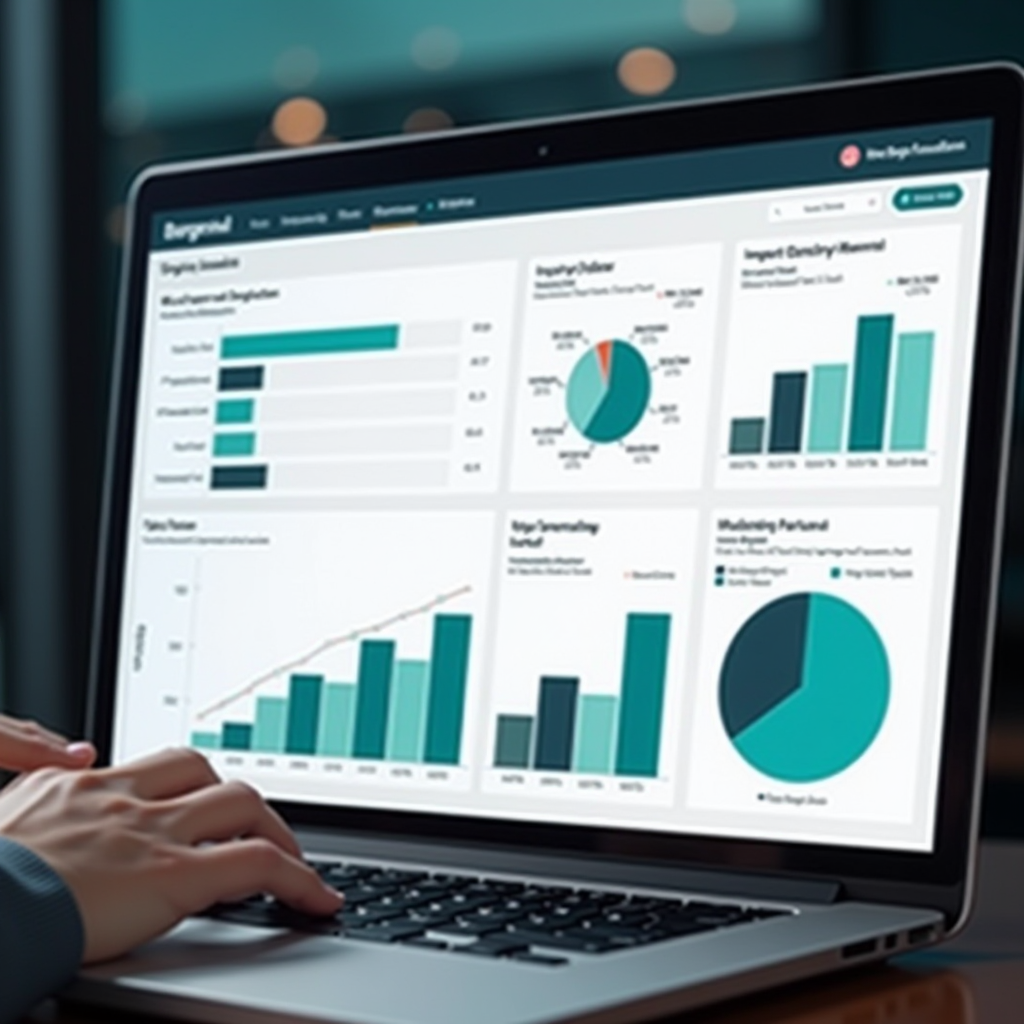
We work with grantees to establish systems for regular data review and analysis, ensuring that evaluation findings inform program decisions in real-time rather than only at reporting deadlines. Our technical assistance includes training on data interpretation, helping organizations understand what their metrics reveal about program effectiveness and where adjustments might be beneficial. We encourage grantees to use data dashboards and visualization tools that make information accessible and actionable for staff at all levels.
Data-driven decision making extends beyond individual programs to inform our broader grantmaking strategy. We aggregate and analyze data across our portfolio to identify trends, successful approaches, and areas where additional investment might be warranted. This portfolio-level analysis helps us make strategic decisions about funding priorities, program models to support, and gaps in the nonprofit ecosystem that require attention. By learning from the collective experience of our grantees, we continuously refine our approach to maximize philanthropic impact.
Adaptive Management Support
We recognize that effective programs must be able to adapt to changing circumstances, emerging needs, and new insights about what works. Our evaluation framework explicitly supports adaptive management, providing mechanisms for grantees to propose and implement program modifications based on evaluation findings. When data suggests that a particular strategy is not achieving desired results, we work collaboratively with grantees to identify alternative approaches and adjust implementation plans accordingly.
This adaptive approach requires trust, transparency, and open communication between foundation staff and grantees. We strive to create an environment where organizations feel comfortable sharing both positive and negative findings, knowing that we will respond constructively rather than punitively. Our goal is to support program success, not to enforce rigid adherence to original plans that may no longer be optimal. This flexibility, combined with rigorous evaluation, creates conditions for innovation and continuous improvement.
Knowledge Sharing and Field Building
The insights generated through our evaluation processes have value far beyond individual grant relationships. We are committed to sharing lessons learned with the broader philanthropic and nonprofit sectors, contributing to collective knowledge about effective approaches to social change. With grantee permission, we publish case studies, evaluation reports, and synthesis documents that highlight promising practices, innovative strategies, and important lessons from our funded programs.
Our knowledge sharing efforts include presentations at conferences, contributions to academic and practitioner publications, and participation in collaborative learning initiatives with other foundations and nonprofit organizations. We believe that philanthropy has a responsibility to advance the field through rigorous evaluation and transparent sharing of findings. By contributing to the evidence base about what works in addressing educational and charitable needs, we amplify the impact of our grantmaking far beyond the direct beneficiaries of our funded programs.
Partnership in Pursuit of Impact
Barge Foundation's approach to impact measurement and grant reporting reflects our fundamental belief that effective philanthropy is built on partnership, transparency, and mutual accountability. Our evaluation frameworks and reporting requirements are designed not to burden our grantees but to support their success, enhance their effectiveness, and amplify their impact. We view measurement and reporting as essential tools for learning and improvement, creating feedback loops that benefit individual programs, strengthen the nonprofit sector, and ultimately serve the communities we all aim to help.
As we continue to refine our evaluation practices, we remain committed to listening to our grantee partners, incorporating their feedback, and adapting our approaches to better meet their needs while maintaining rigorous standards for accountability and impact assessment. We recognize that the nonprofit organizations we support are the true experts in their fields, and our role is to provide resources, support, and frameworks that enable them to demonstrate and enhance their effectiveness.
Through collaborative impact measurement, comprehensive reporting systems, and a shared commitment to continuous improvement, we work together with our grantees to create lasting positive change in education, charitable services, and community well-being. This partnership approach to evaluation ensures that every dollar invested by Barge Foundation contributes to meaningful, measurable impact that transforms lives and strengthens communities for generations to come.